Nanahea is marketed as a "single-family detached condominium" community. That phrase confuses a lot of buyers. You're getting a house, so why is it called a condo?
Here's the short version, plus the questions worth asking before you sign anything.
It's a house, set up as a condominium
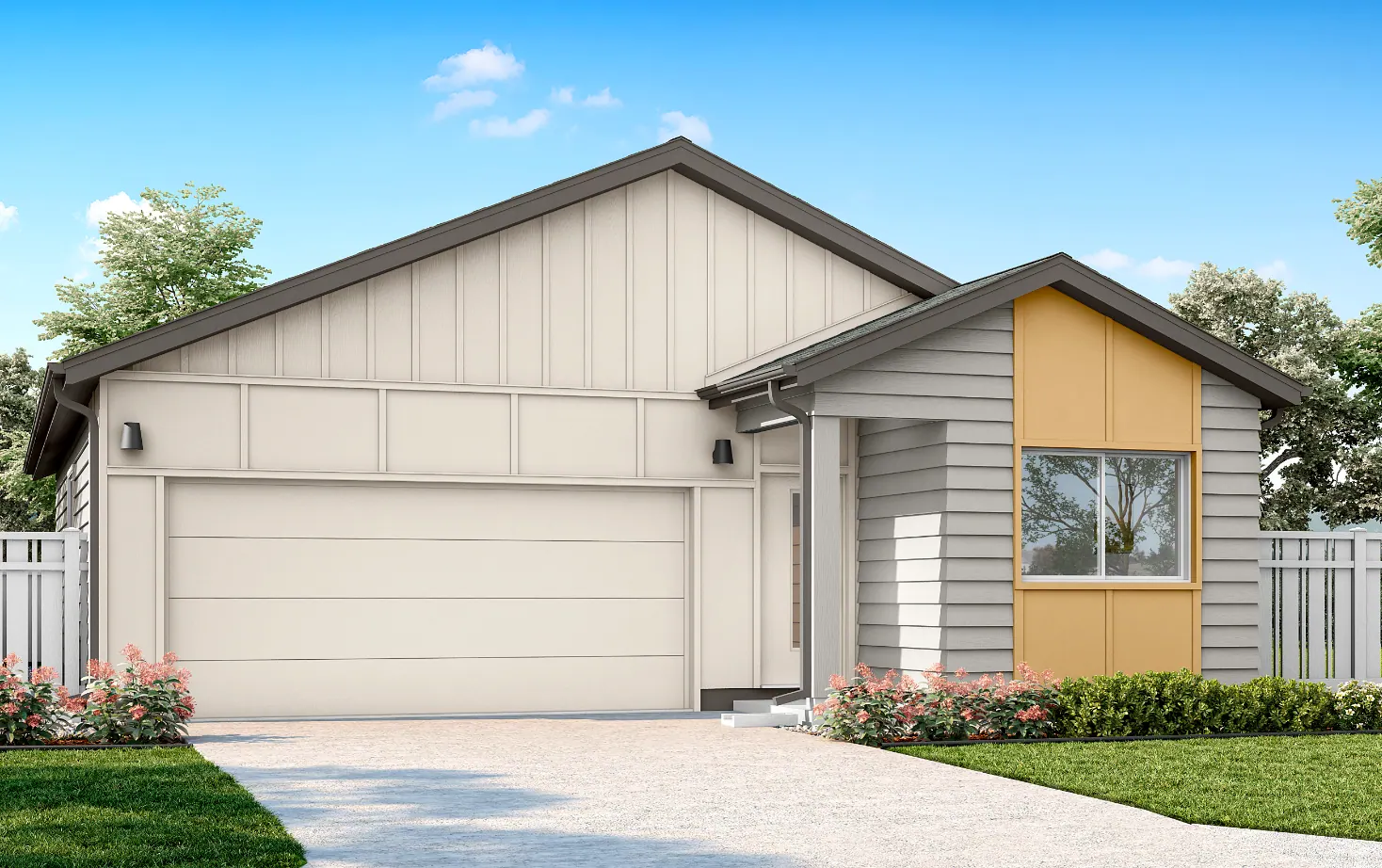
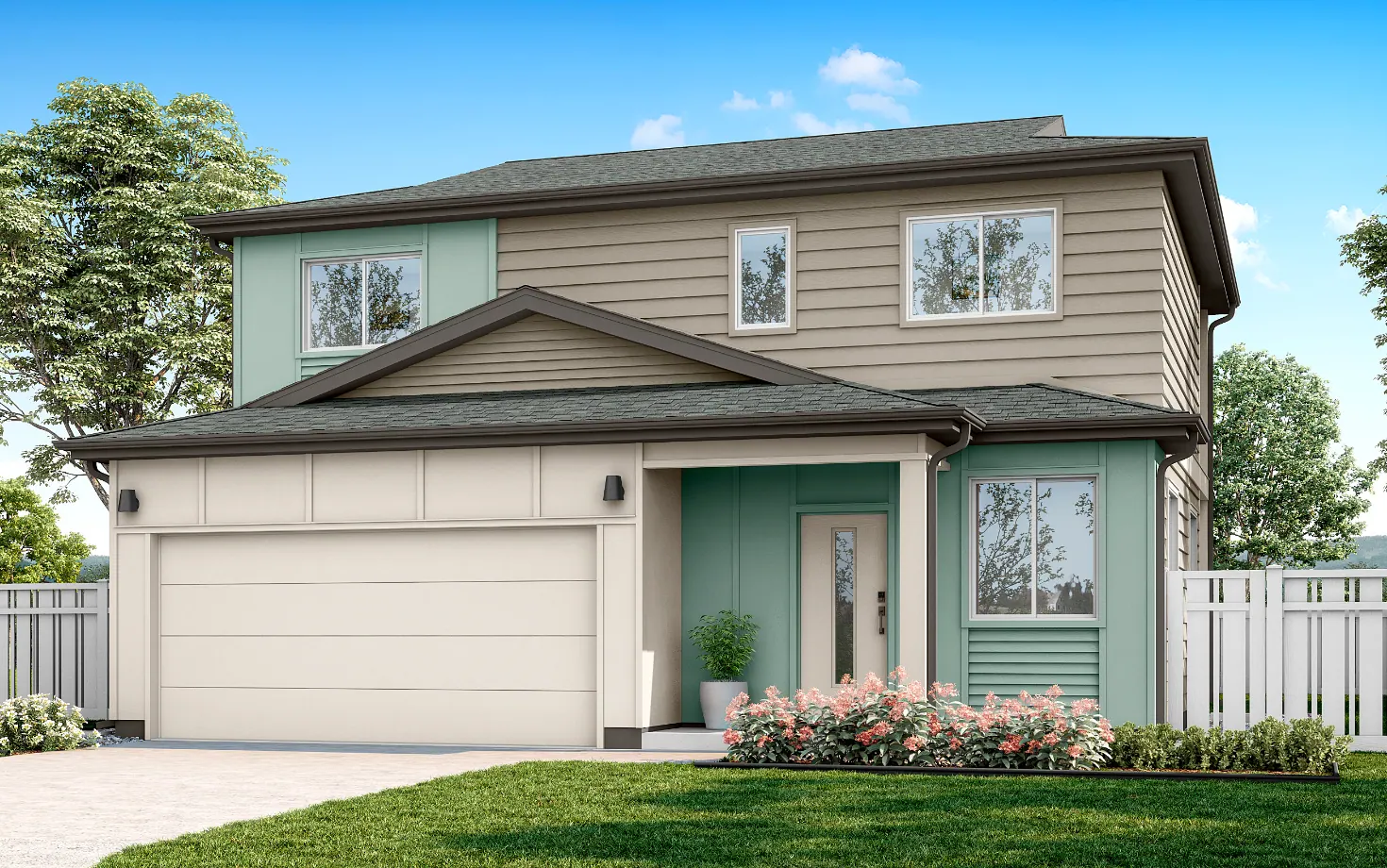
Every Nanahea home is a stand-alone house. No shared walls, its own fenced yard, its own garage. What makes it a "condo" is the legal structure, not the building.
In Hawaiʻi, many newer neighborhoods are set up as a condominium property regime, often called a CPR. Instead of each home sitting on its own separately subdivided lot, the whole project is one property divided into units. Each unit usually includes the home, and the yard area around it is often a "limited common element" — set aside for that owner's exclusive use.
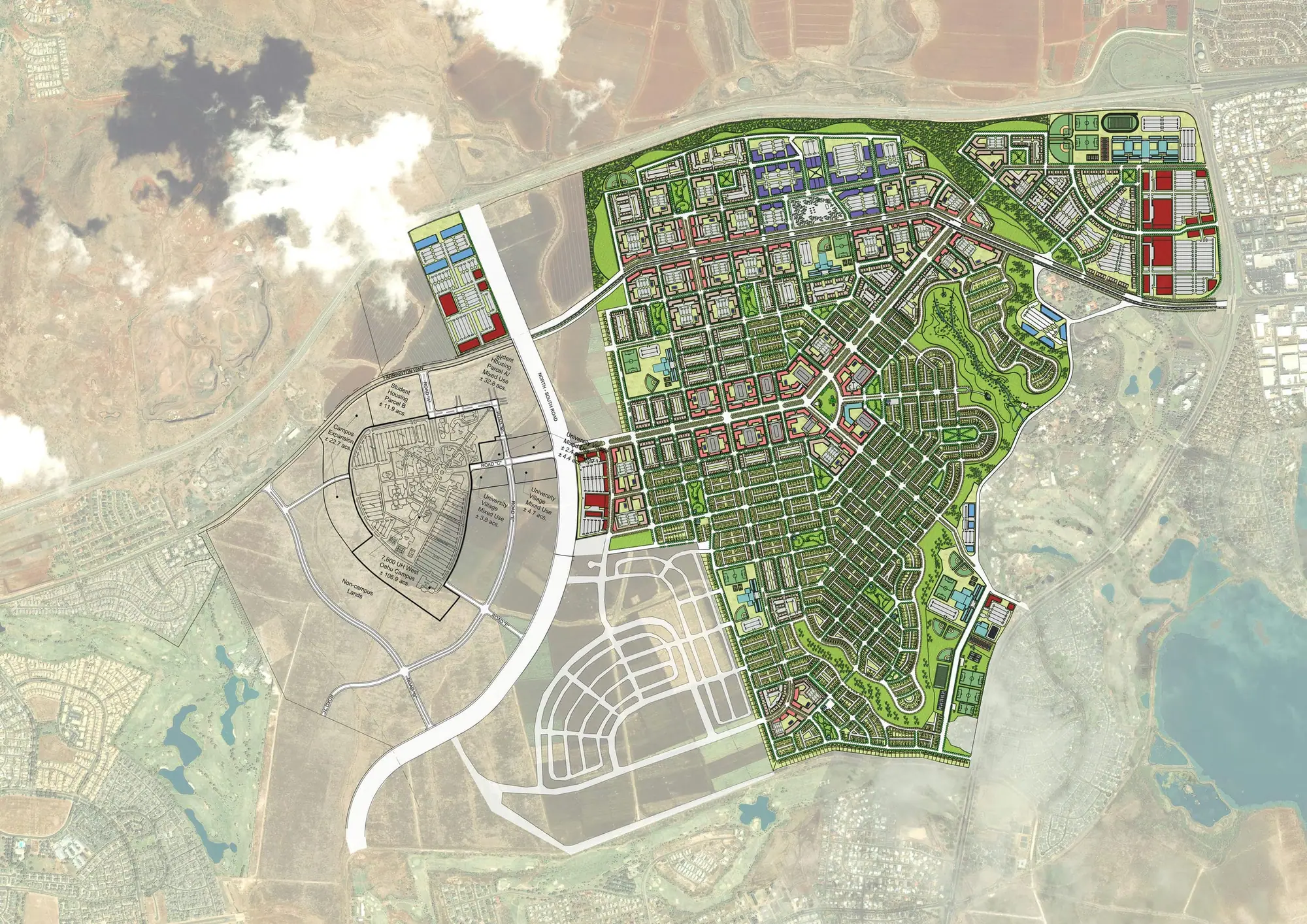
You'll see CPR homes all over Oʻahu, especially in master-planned communities like Hoʻopili.
What this changes for you as an owner
- There's an association. A condominium association manages the shared parts of the project and sets the rules. That means monthly association fees. The current maintenance fees for Nanahea homes are listed on the builder's price sheet.
- There are governing documents. The declaration, bylaws, and house rules spell out what you can and can't do — things like exterior changes, rentals, pets, and parking.
- Hoʻopili has its own community layer. Nanahea sits inside the larger Hoʻopili master plan, which has its own community amenities and may have its own association and fees. Ask how the fees stack up.
Questions to ask before you buy
Before you commit, get the documents and go through them. Here's what we usually tell buyers to look for:
- What are the monthly association fees, and what do they cover?
- Is there a separate Hoʻopili master association fee?
- What are the rules on rentals and minimum lease terms?
- What can you change on the outside of your home or in your yard?
- How is the yard area defined — is it part of your unit or a limited common element?
- What does the builder's warranty cover, and for how long?
New-construction purchases in Hawaiʻi come with a developer's public report and a stack of disclosures. Read them. They're long, but they're where the answers live.
Get the right help
We're REALTORs, not attorneys or tax advisors, and this isn't legal or financial advice. A real estate attorney can explain what the condominium documents mean for your situation. A lender or CPA can help with how fees affect what you can afford. We're happy to connect you with people we trust.
Want to walk through the Nanahea documents with us? Reserve a tour or call 808.201.7751.
Information is summarized from the builder's public marketing materials and is deemed reliable but not guaranteed. Pricing, availability, and features change without notice; verify all details with the builder. This article is general information, not legal, tax, or financial advice — please talk with a licensed professional about your situation.